
Packaging resources
Category: Tips
Focused reading from the Reliable Packaging blog, organized to help you compare materials, formats, and practical packaging decisions.
Archive
Category: Tips
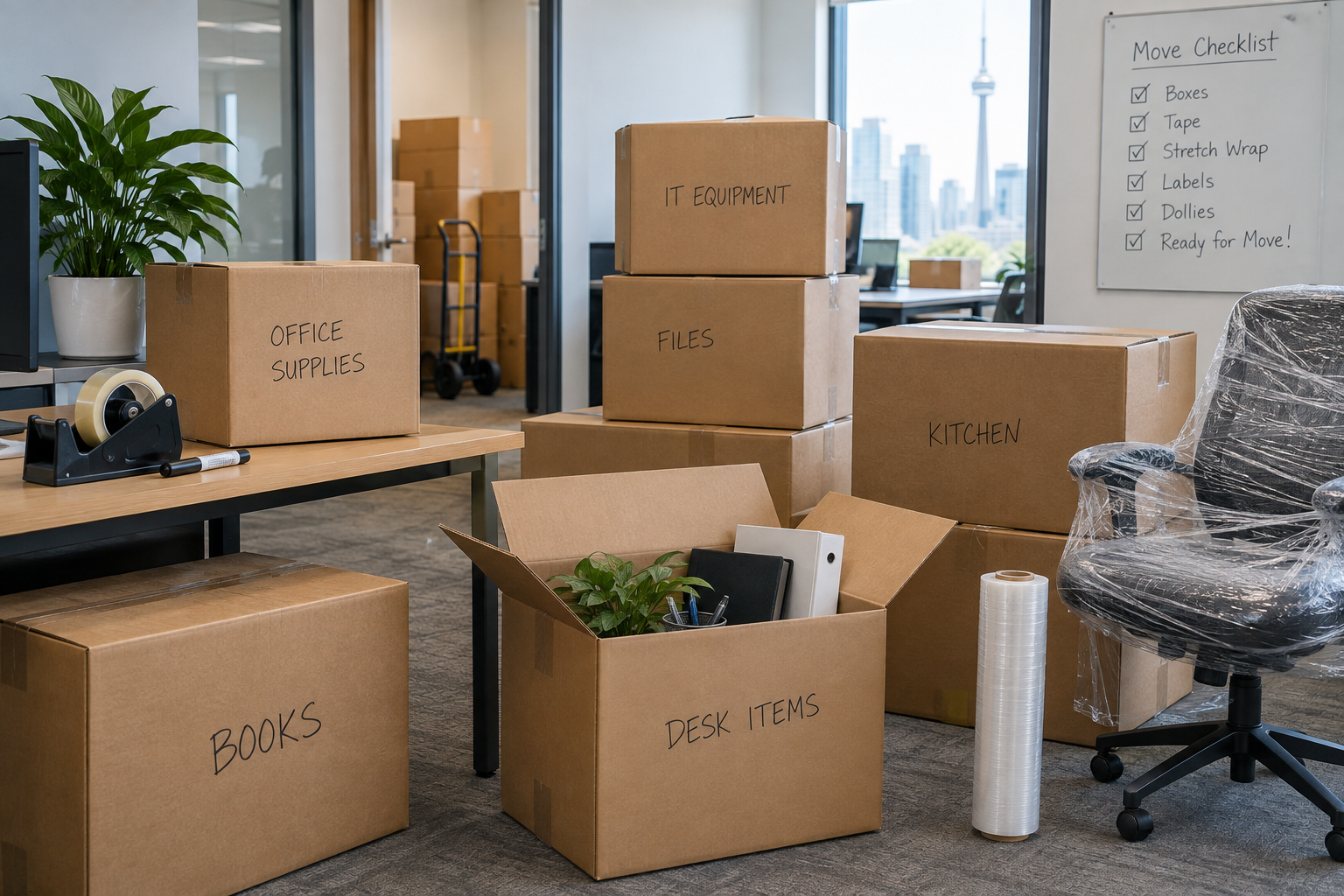
For a GTA office move, plan on roughly 8 to 12 boxes per workstation, a mix of small book-weight cartons and medium general cartons, plus one case of tape per 200 boxes and enough stretch wrap to secure every filing cabinet, cart, and pallet you move. Moving supply is not the same problem as shipping supply: boxes get carried by hand, stacked in a truck, and often reused across several jobs, so the buying logic is different. Here is how to size an order so you are not short at 4pm on moving day.
Read article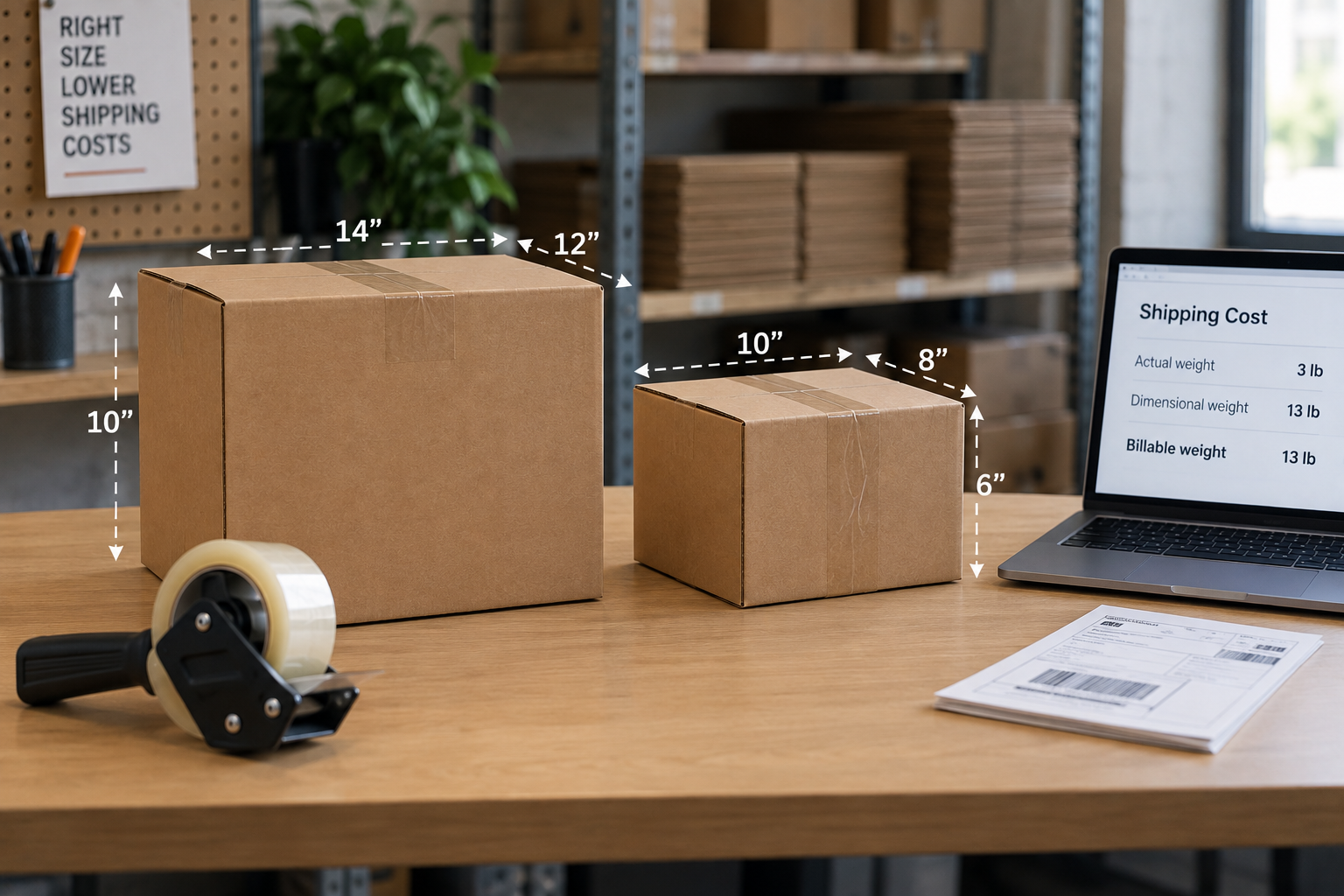
If your courier invoices keep coming in higher than the weights on your packing slips, dimensional weight is almost always the reason. Canadian carriers bill you on whichever is greater: the actual weight of the parcel, or a volume-based "dimensional weight" calculated from the box's outside measurements. That means an inch of empty space on each side of your product can quietly cost you more per shipment than the box itself cost to buy. Here is how the math works, and how to get the number down.
Read article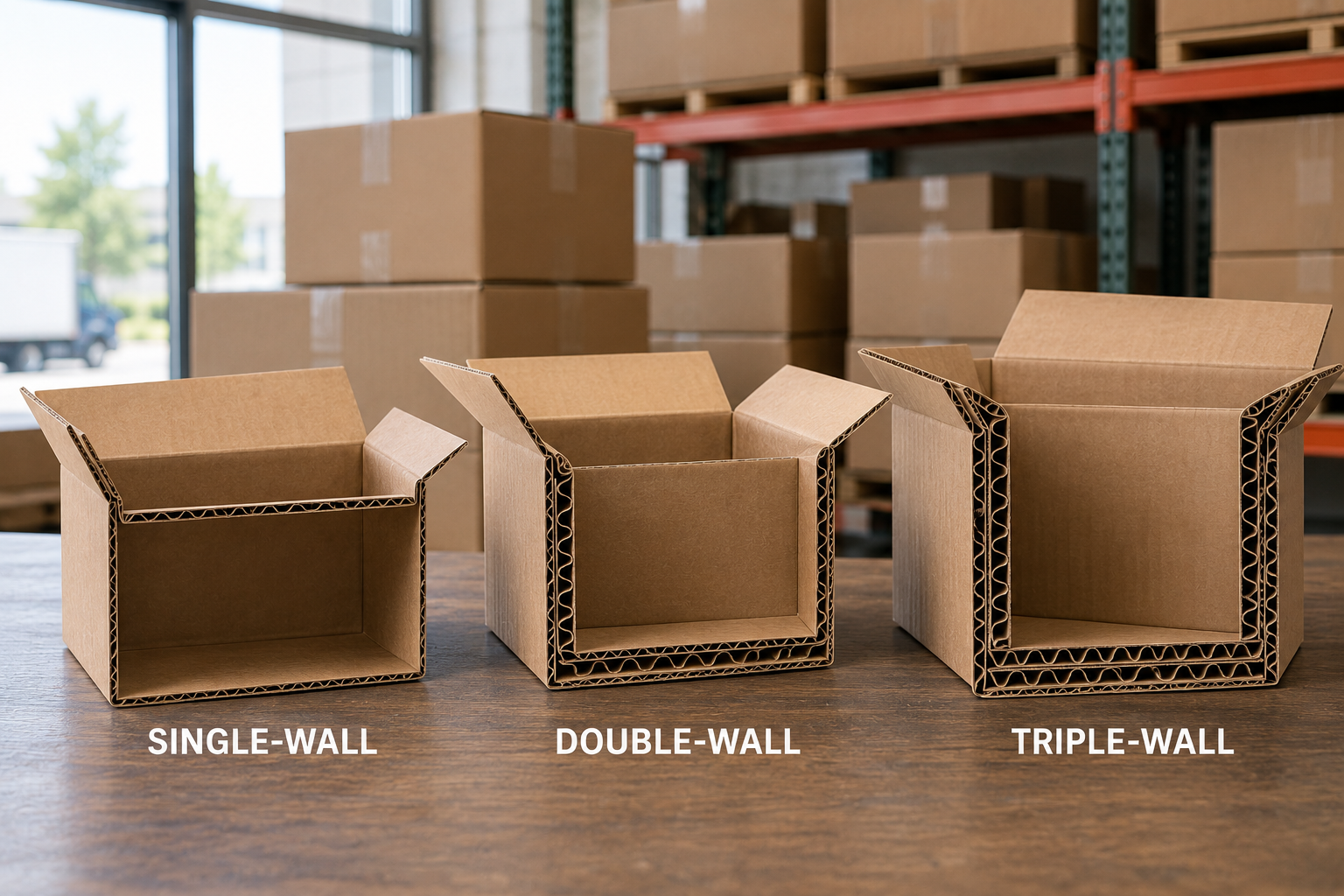
Most small and mid-sized GTA businesses use single-wall corrugated for everything and never need anything else. But some operations quietly pay too much because they upgraded their entire box range when only specific SKUs needed it. Others ship failures because they cut costs on the wrong thing.
Read article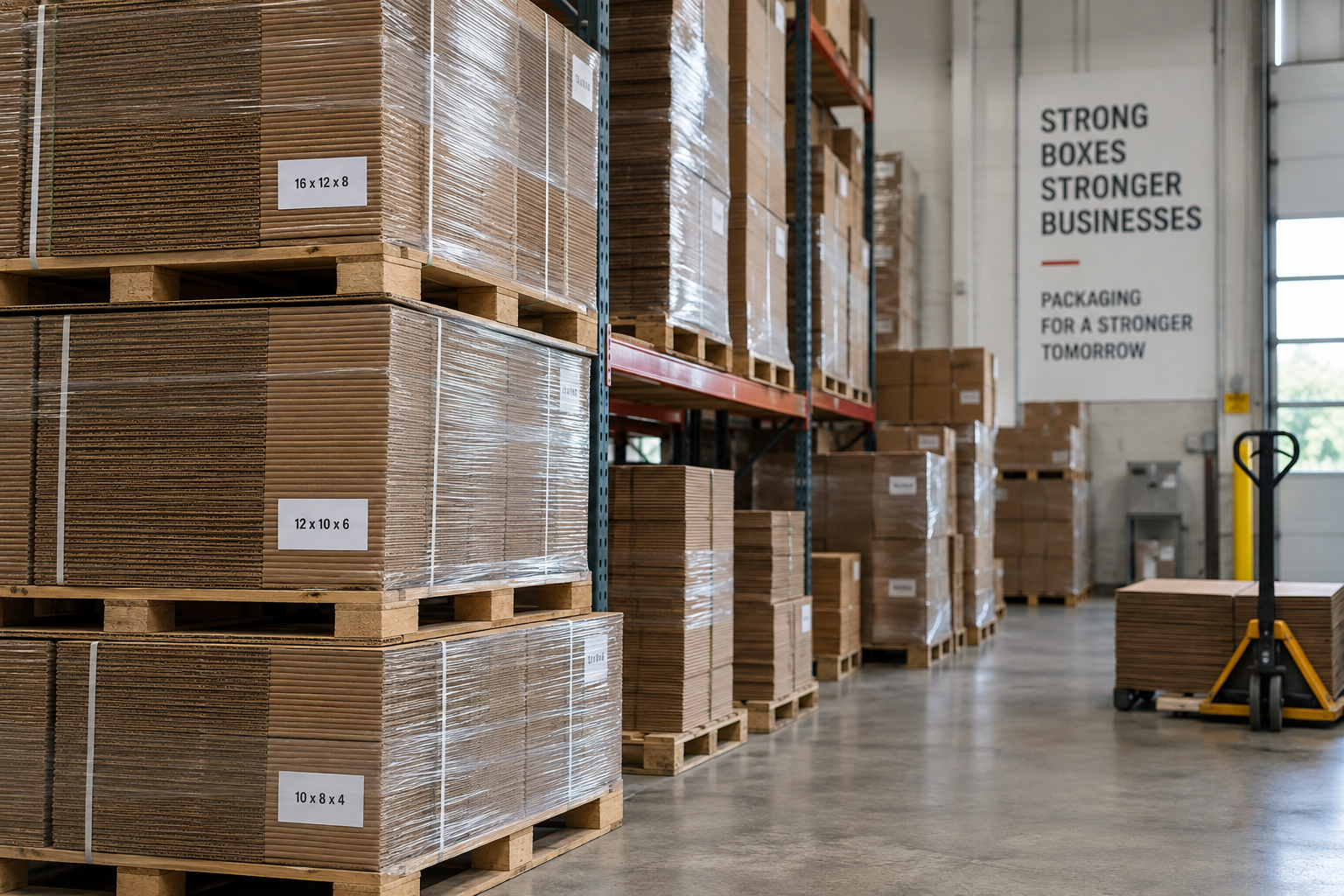
A 32 ECT corrugated box rated to hold 65 lbs in the warehouse loses that rating if it sits in a damp corner for three months. Storage conditions are not neutral, they actively affect box strength and performance. For most GTA businesses that buy boxes in volume and store them for weeks or seasons, getting storage right is as important as choosing the right box in the first place. Here is how to store corrugated so your inventory stays strong and your costs stay predictable.
Read article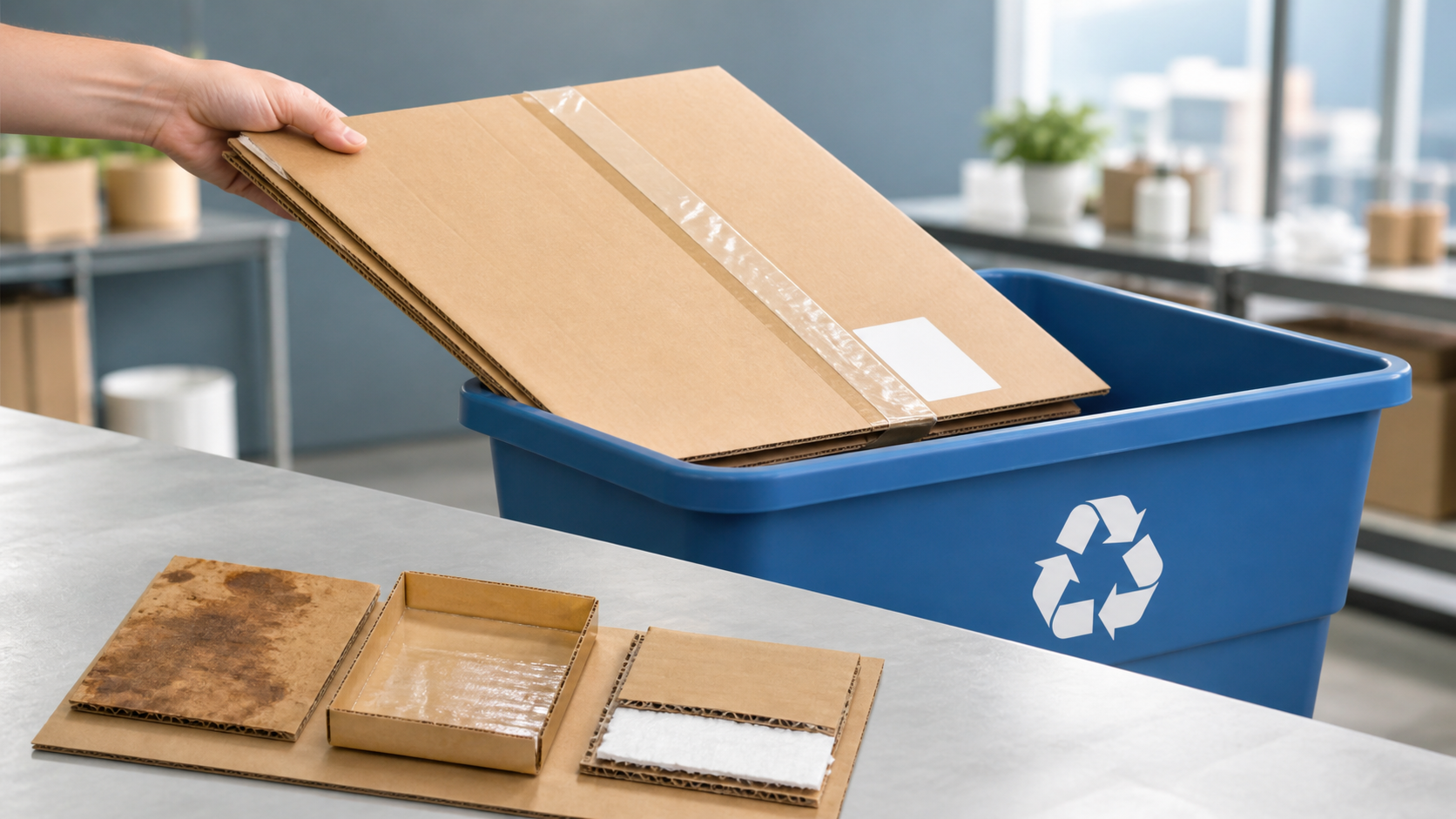
Plain corrugated is one of the most reliably recycled materials in Ontario, and it goes in the blue bin flattened, with tape and labels left on. That last part surprises people. What actually disqualifies a box is contamination: grease, wax coating, heavy plastic lamination, and foam or film liners glued to the board. If you are telling customers your packaging is recyclable, those are the details that decide whether the claim is true. Here is what holds up and what does not.
Read article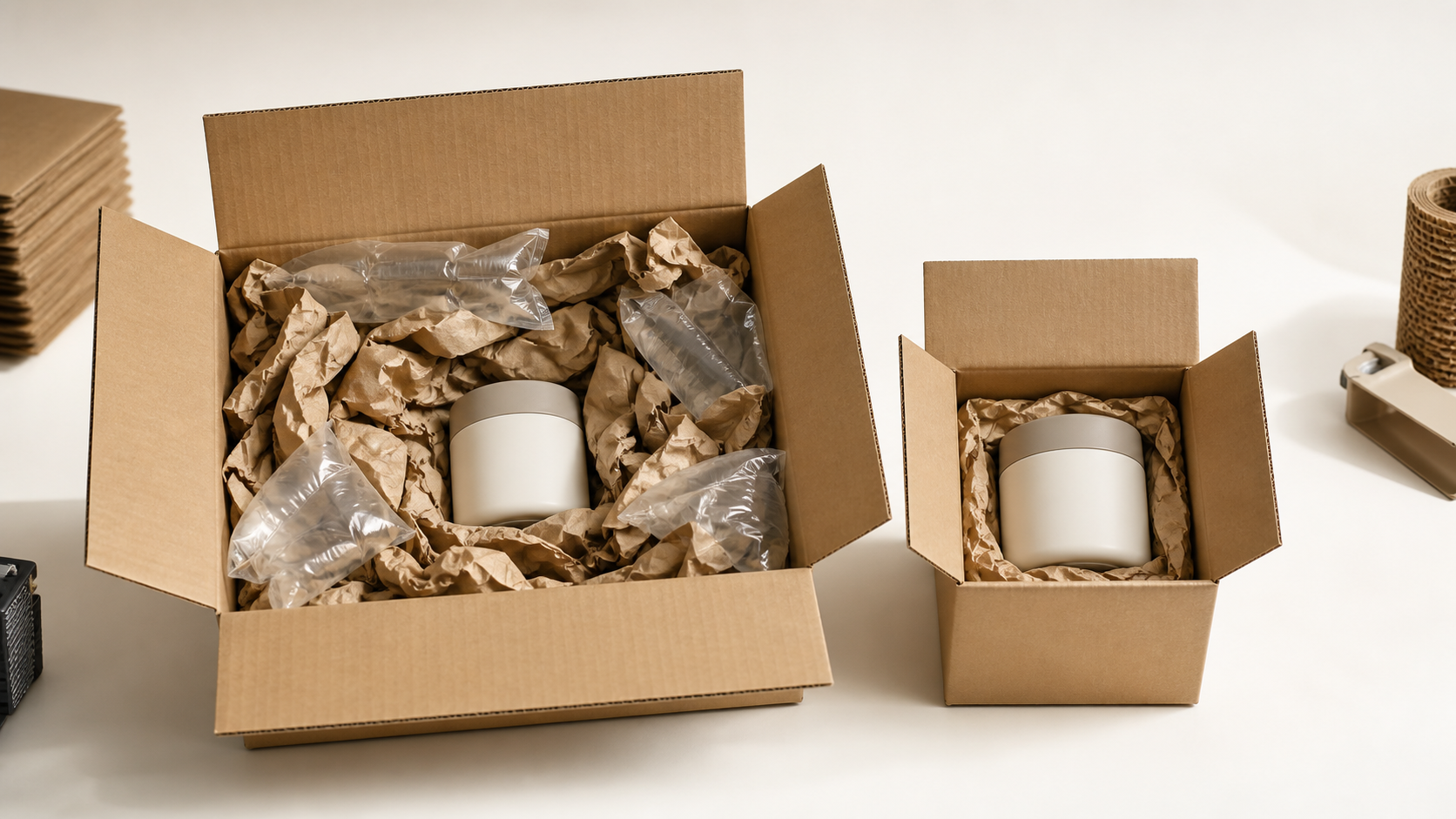
Most GTA businesses solve the same problem twice. They buy a small range of box sizes, then buy a lot of void fill to make up the difference. It works, but it quietly costs money in three places at once: material, labour, and dimensional weight. The question is not whether void fill is good or bad. It is where the break-even sits between adding more box sizes and adding more filler.
Read article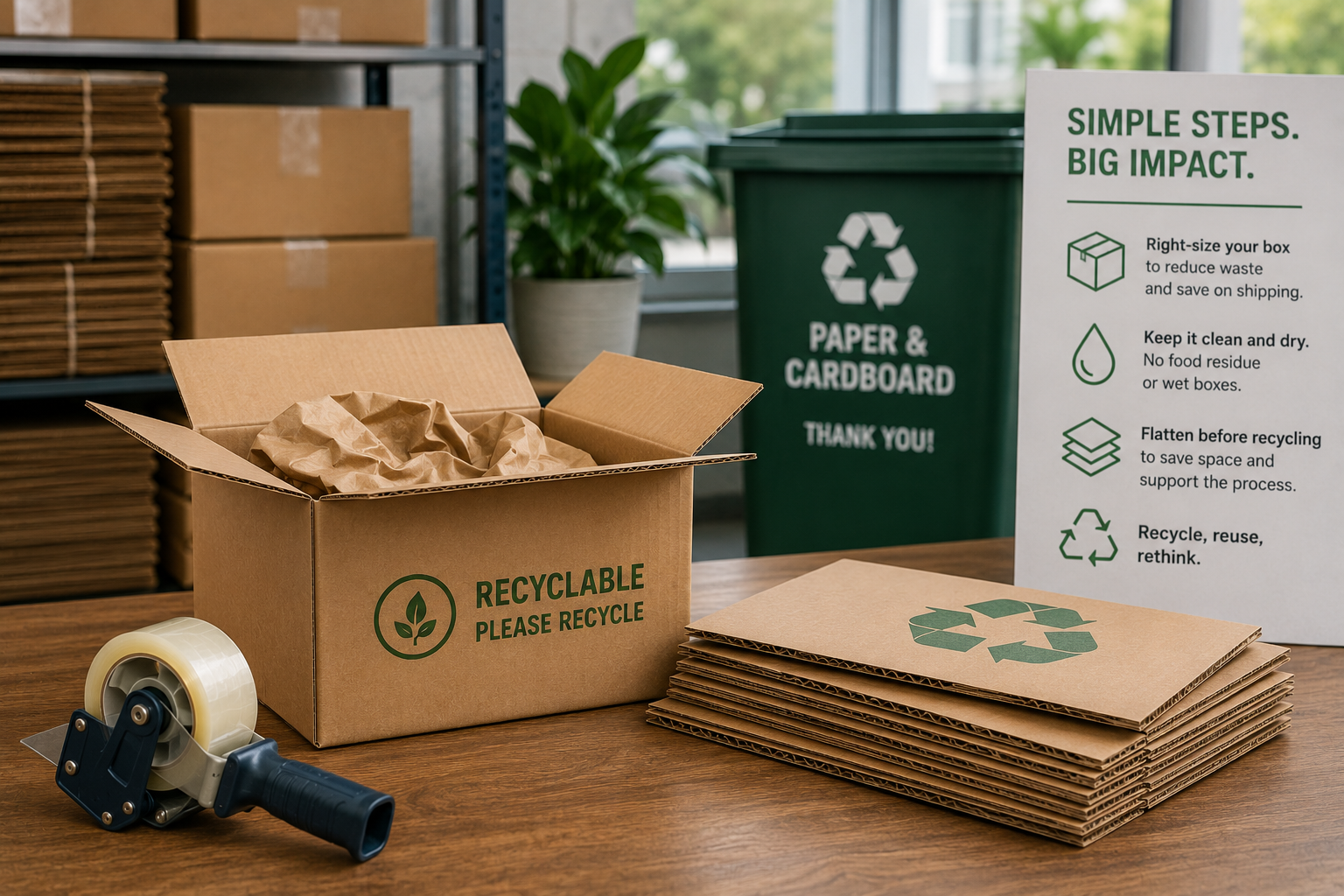
Are Corrugated Boxes Recyclable? Yes. Corrugated cardboard is one of the most recycled materials in Canada, and in the GTA it goes out with your regular commercial cardboard stream as long as it's clean, dry, and flattened. The parts of your shipment that cause problems are everything else: mixed materials, heavy tape coverage, plastic film, and greasy or wet boxes. Here's what's actually recyclable, what your customers can and can't put in their blue bin, and the low-effort changes that cut both waste and cost.
Read article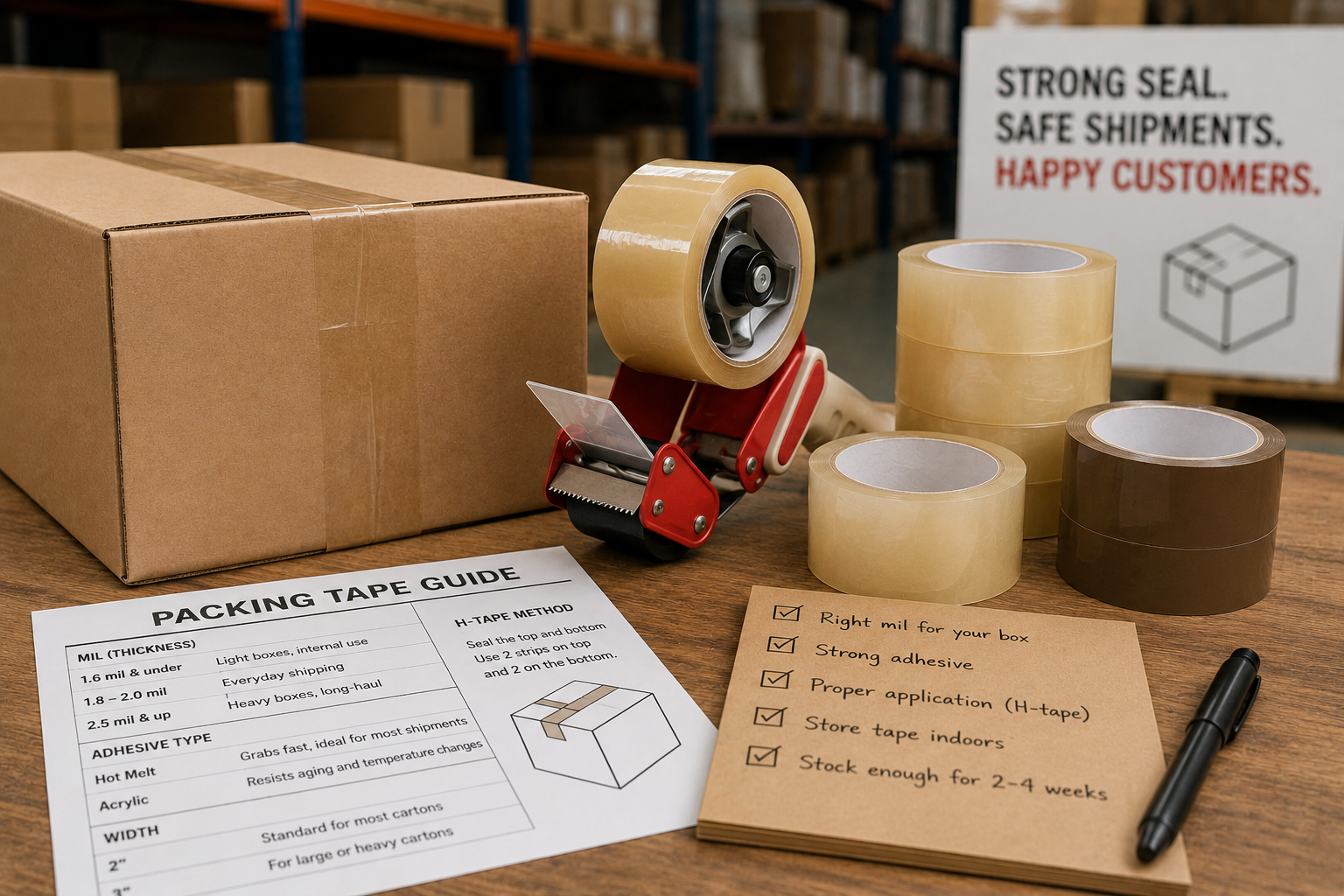
When packing corrugated boxes, a 2" wide, 1.8 to 2.0 mil hot melt carton sealing tape is the right default: it grips recycled corrugated quickly, holds through courier handling, and doesn't split when you pull it off the roll. Thinner economy tape is where most seal failures can happen, and cold Toronto loading docks make a marginal adhesive worse. Here's how to pick tape that actually holds, and how much you need.
Read article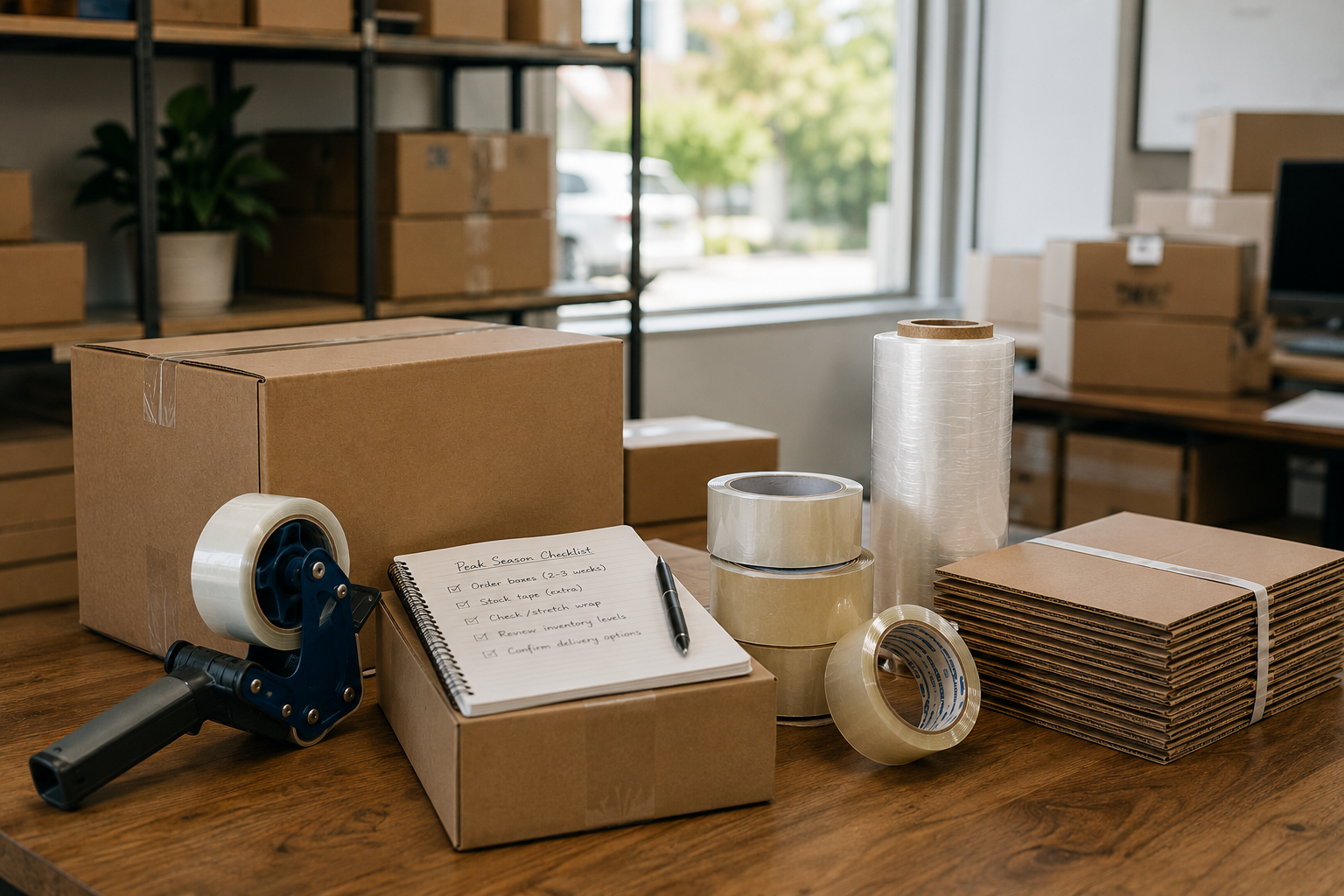
The GTA businesses that handle peak season smoothly, whether that's the fall/winter ecommerce rush, a warehouse move, or back-to-school and moving-month surges, are the ones that lock in supply two to three weeks ahead, not the week volume spikes. The pattern that causes stockouts is always the same: normal weekly usage triples, and a supplier with a 5-7 day lead time can't catch up. Here's how to plan your box, tape, and wrap supply so a busy season doesn't become a shipping bottleneck.
Read article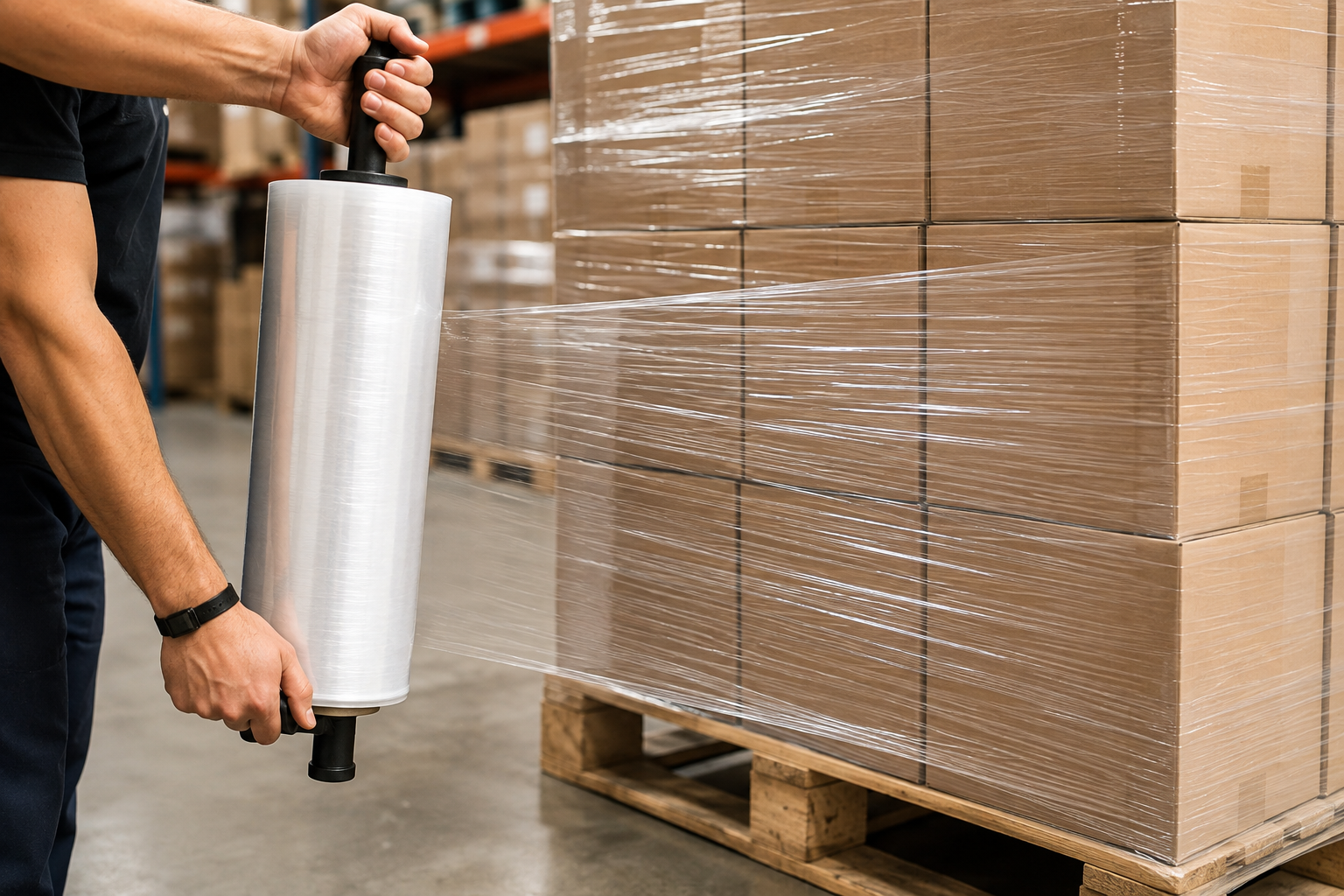
For most GTA businesses palletizing boxes for shipping or storage, 80-gauge (20-micron) hand stretch wrap in a 16" or 20" width is the right default, it holds a standard pallet load securely without tearing or wasting film. Go heavier only for sharp, heavy, or irregular loads, and go to machine-length rolls only once you're wrapping enough pallets a day to justify it. Here's how to get the gauge, width, and wrap technique right.
Read article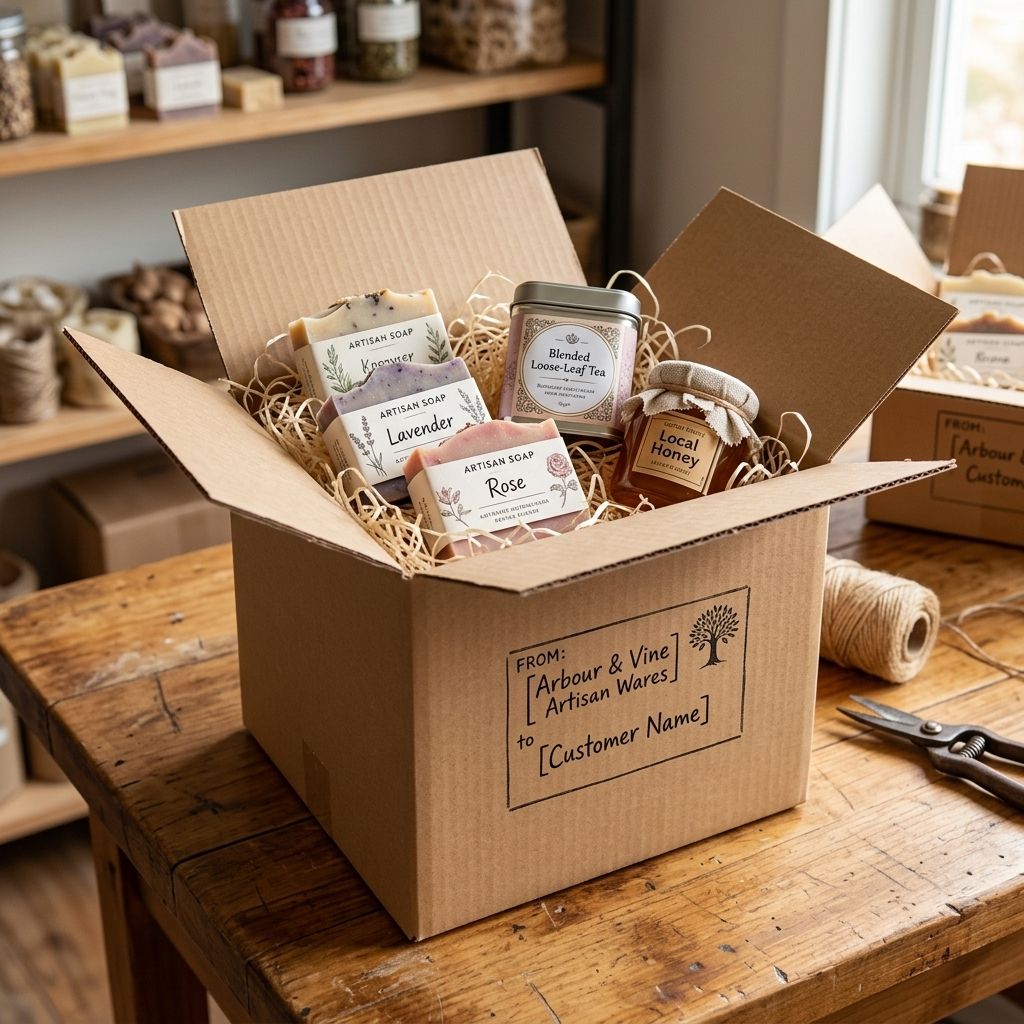
Practical ways a GTA small business can lower corrugated box and packaging costs: right-sizing, bulk breaks, smarter strength choices, and supplier consolidation.
Read article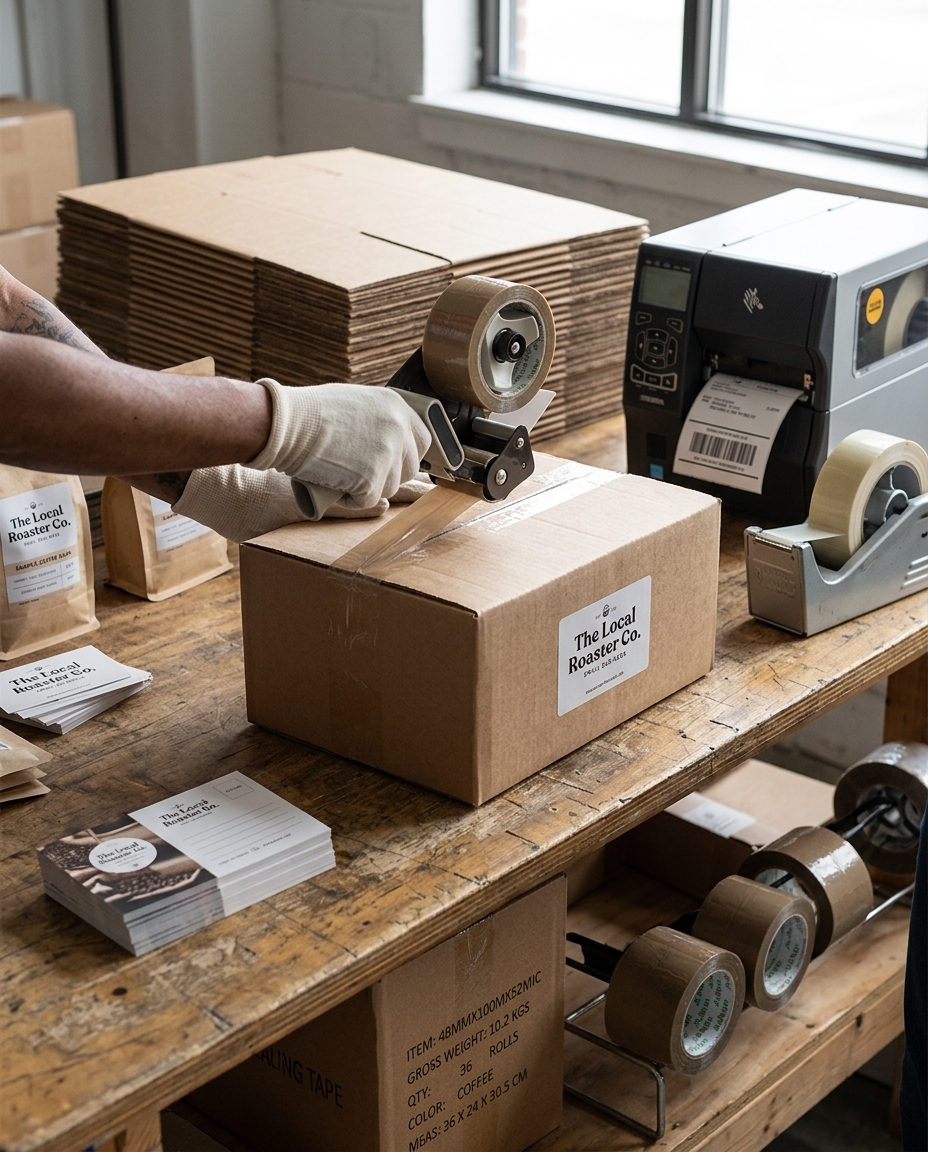
How Toronto ecommerce sellers should choose corrugated shipping boxes and shipping supplies: the core sizes to stock, single vs. double wall, and how to cut damage and shipping costs.
Read article
In the Greater Toronto Area, corrugated shipping boxes typically run from about $0.28 for a small cube to $5.89 for a large 24×24×24" box, with per-box pricing dropping when you buy in bulk (250+). Three things set the price: box size, the quantity you order, and whether you need a custom size or heavier double-wall board. Here's exactly what to expect in 2026 with real prices, not ballpark guesses.
Read article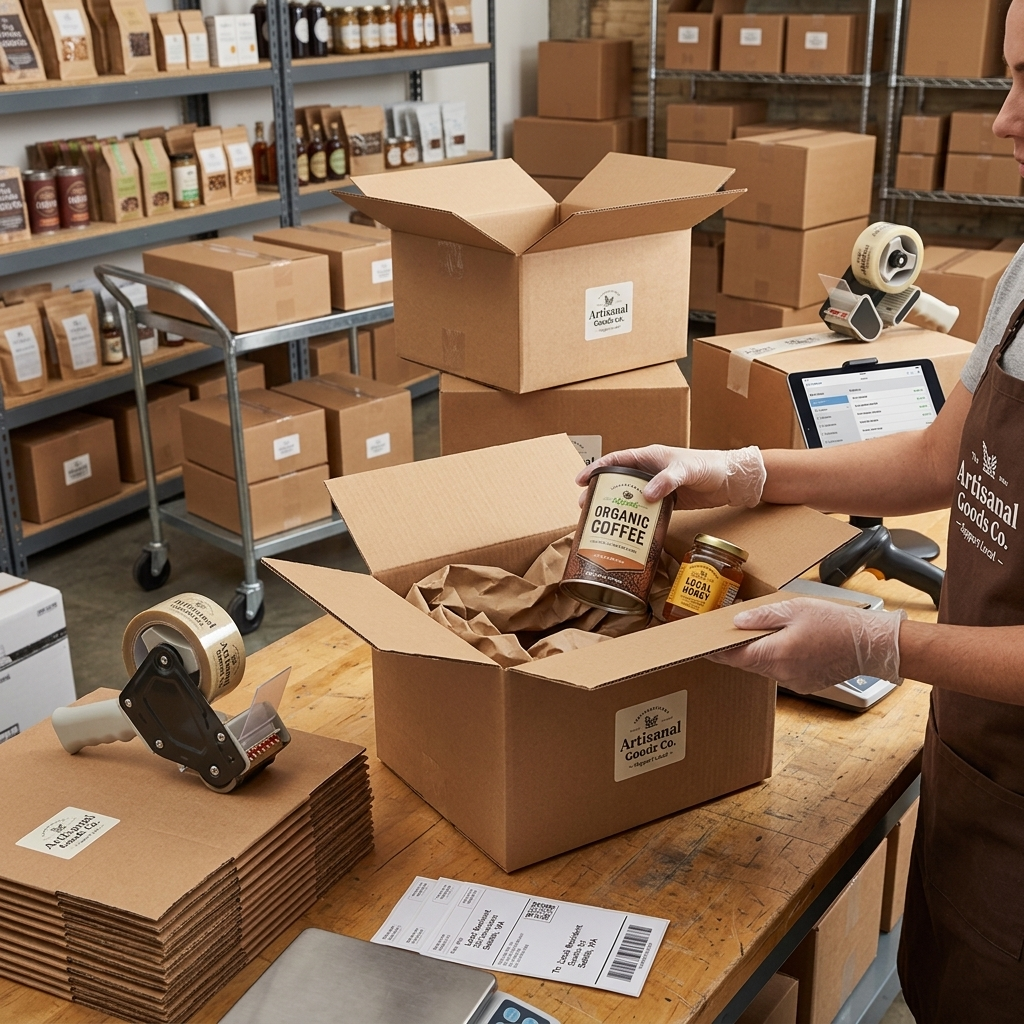
To choose the right corrugated shipping box, match three things to your product: the interior size (snug, with just enough room for protection), the strength rating (most shipping and storage runs on standard 32 ECT single-wall), and the wall type (single-wall for the vast majority of loads, double-wall only for heavy or fragile items).
Read article